
Ants Don’t Break In—They Slip In
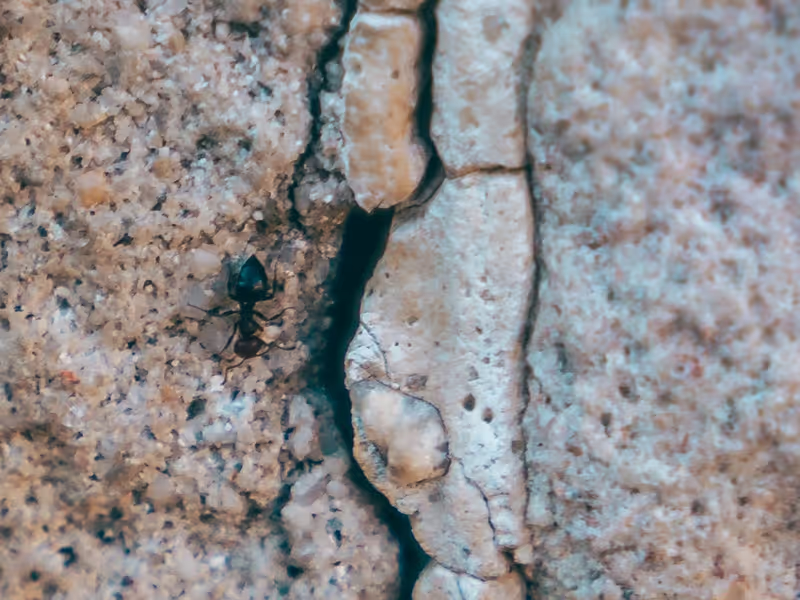
Argentine ants, odorous house ants, and other common species aren’t chewing their way into your house. They’re taking advantage of openings that already exist.
In Southern California homes, our local technicians often find ants entering through:
- Tiny cracks in the foundation
- Gaps around doors and windows
- Openings where pipes or wires enter the home
- Worn weather stripping
- Expansion joints in slabs and patios
If you can slide a credit card into a gap, ants can use it. And often, they don’t even need that much space.
Where To Check First Around Your Home
If you’re trying to figure out where ants are coming from, start here. These are the most common entry points we see in San Diego homes.
1. Door Thresholds And Weather Stripping
Start with front doors, sliding glass doors, and garage entry doors, which are common problem areas.
Heat and sun wear down seals over time. Once that seal loosens up, ants take advantage.
2. Window Frames And Stucco Cracks
Small gaps around windows are easy access points, especially in older homes.
Stucco can develop hairline cracks that are easy to miss—but ants don’t miss them.
3. Plumbing And Utility Entry Points
Anywhere pipes or cables enter your home is a potential highway for ants.
Kitchens, bathrooms, and laundry areas are common spots since they also provide moisture.
4. Slab Edges And Foundation Gaps
Homes built on slabs often have tiny separations along the edges.
Normal settling and soil movement create just enough space for ants to move inside.
5. Attic And Roofline Openings
This one surprises a lot of homeowners—ants don’t always come in low.
They can enter through roofline gaps or vents and work their way down into walls.
Why You Keep Seeing Ants In The Same Spot
Here’s what’s really happening:
Ants leave behind a pheromone trail that leads others to the same entry point.
Once one ant finds a way inside, it creates a chemical trail that other ants follow. As more ants use that same path, the trail gets stronger.
That’s why:
- You clean the counter… and they’re back the next day
- You treat one area… and they show up in the exact same spot
The trail—and the entry point—are still active.
And while entry points matter, what’s attracting ants to your home can make those trails even more active.
Why DIY Fixes Usually Fall Short
It’s tempting to grab a spray or bait and handle it yourself. But here’s what we see all the time:
- Sprays take care of the ants you see—but not the colony
- Baits are often used in the wrong spots
- Entry points go untreated or unnoticed
- Colonies can split and spread when disturbed
So the problem doesn’t go away—it just moves. We see this all the time when inspecting homes for ant problems.
What Actually Works
Stopping ants isn’t just about what’s inside your home. It’s about:
- Finding the exact entry points
- Treating those areas properly
- Addressing activity around the exterior
- Breaking the trail between the colony and your home
That’s how you stop ants from getting in—not just deal with the ones you see.
When To Bring In A Professional
If you’re noticing:
- Ants showing up in multiple rooms
- Activity that keeps coming back
- Trails you can’t trace to the source
- Seasonal spikes (especially spring and late summer)
It’s usually time to take a closer look at the structure—not just the surface.
A professional inspection can pinpoint:
- Hidden entry points
- Nesting areas near your home
- Conditions that allow activity
How Harbor Pest Control Eliminates And Prevents Ants
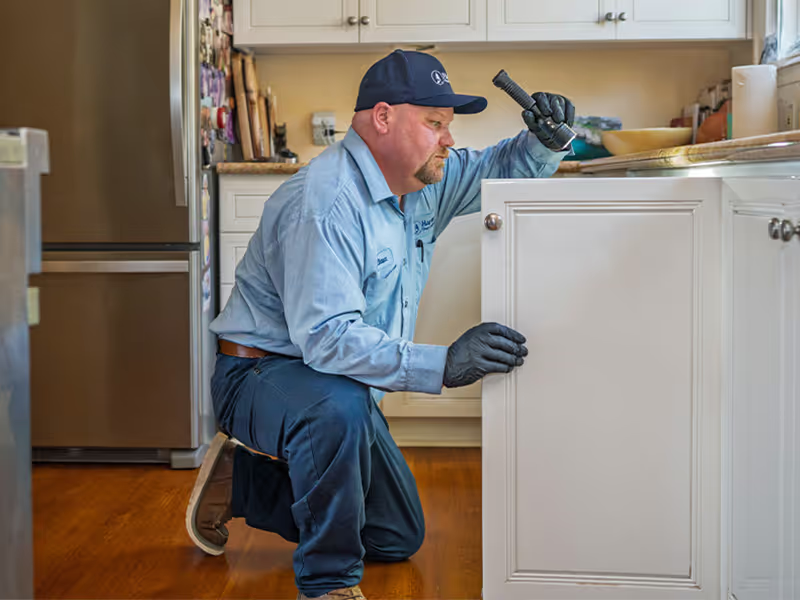
We start with a free inspection to identify the type of ants, where they’re getting in, and what’s allowing the problem to continue.
From there, we treat the entry points, active areas inside the home, and the exterior where ants are coming from—so the problem is handled at the source.
For homeowners who want to stay ahead of it, our residential pest control service keeps your home protected year-round so ants and other covered pests don’t come back.
FAQs About How Ants Get Inside
Could ants be entering through my crawl space?
Yes—especially in older homes around San Diego, particularly those built before the 1970s, which are more likely to have crawl spaces instead of slab foundations. These areas often have exposed soil, moisture, and small gaps where utilities enter the home—all of which can give ants easy access. From there, they can move up into walls and living spaces without being seen.
Is year-round pest control necessary to keep ants out?
In San Diego, ants remain active year-round due to our mild climate. That means entry points can be used at any time, not just during one season. Ongoing pest control helps keep those entry points protected and reduces the chances of ants getting back inside.
Can ants get in even if my home looks sealed?
Yes. Most ant entry points are extremely small and easy to miss. Even well-maintained homes can have tiny gaps around windows, doors, or utility lines that ants can use to get inside.
Dealing With Ants In Your Home? Harbor Pest Control Can Help
If ants are getting inside, there’s already a clear entry point—and it’s not going to fix itself.
Locally owned since 1948, Harbor Pest Control offers trusted ant control backed by a 100% satisfaction guarantee. With same-day service often available, we can get to you quickly.
Schedule your free inspection today and let Harbor Pest Control take care of it.