

San Diego's Climate Gives Cockroaches the Upper Hand
Most cockroach species thrive in warm, humid environments. San Diego offers both mild year-round temperatures and enough coastal moisture to keep roaches comfortable in nearly every neighborhood.
In cities with cold winters, cockroach populations take a hit when temperatures drop. They slow down, stop reproducing as quickly, and often die off in unheated outdoor spaces. That doesn't happen here. San Diego's average lows rarely dip below the 50s, which means cockroaches stay active, keep breeding, and continue moving in and out of homes without interruption.
The coastal communities we serve — like Coronado, Imperial Beach, and parts of La Jolla — tend to have higher humidity, which attracts moisture-loving species. Inland neighborhoods like El Cajon, Santee, and Lakeside deal with hotter temperatures that push cockroaches indoors in search of water and cooler shelter. Either way, the conditions favor roaches more than they favor homeowners.
Where Are These Cockroaches Coming From?
Most homeowners we talk to aren't sure how cockroaches got inside. The answer depends on which type you're dealing with, and San Diego homes commonly see two.
American cockroaches are the large, reddish-brown roaches that tend to live outdoors. They hang out in drains, sewer lines, mulch beds, and ground-level crawl spaces. When conditions outside get too hot or too dry, they head indoors — usually through gaps around pipes, under doors, or through cracks in the foundation. In older homes around La Mesa and Lemon Grove, where the housing stock tends to have more wear and more potential entry points, we see these roaches coming in regularly.
German cockroaches are smaller and operate completely differently. They're indoor pests that rarely show up on their own — they hitchhike in through grocery bags, cardboard boxes, used appliances, and even deliveries. Once they're inside, they multiply fast and tend to stay close to kitchens and bathrooms where food and moisture are easy to find. In denser housing areas like Chula Vista and National City, German cockroaches can move between units through shared walls, pipes, and electrical conduits, making apartment and condo infestations especially stubborn.
Why Store-Bought Sprays Rarely Solve a Cockroach Problem
Here's what we hear from homeowners all the time: "I've been spraying, but they keep coming back."
There's a reason for that. Over-the-counter sprays and foggers might kill the roaches you can see, but they do almost nothing about the ones you can't. Cockroaches hide deep inside walls, behind appliances, inside drain pipes, and in tight gaps along baseboards. Spray cans can't reach those areas. Foggers often push roaches deeper into hiding rather than eliminating them.
On top of that, cockroach eggs are protected by a tough outer casing that resists most surface-level treatments. So even if you manage to knock out a few adults, the next generation is already on the way. A single German cockroach egg case can contain dozens of eggs, and a female can produce multiple cases over her lifetime.
Without a treatment that targets every life stage — eggs, nymphs, and adults — the problem just keeps cycling. That's why store-bought products seem to work for a few days, then stop.
If you're stuck in that loop, give Harbor Pest Control a call. We can take a look and figure out exactly what you're dealing with.
What Does Professional Cockroach Treatment Look Like?
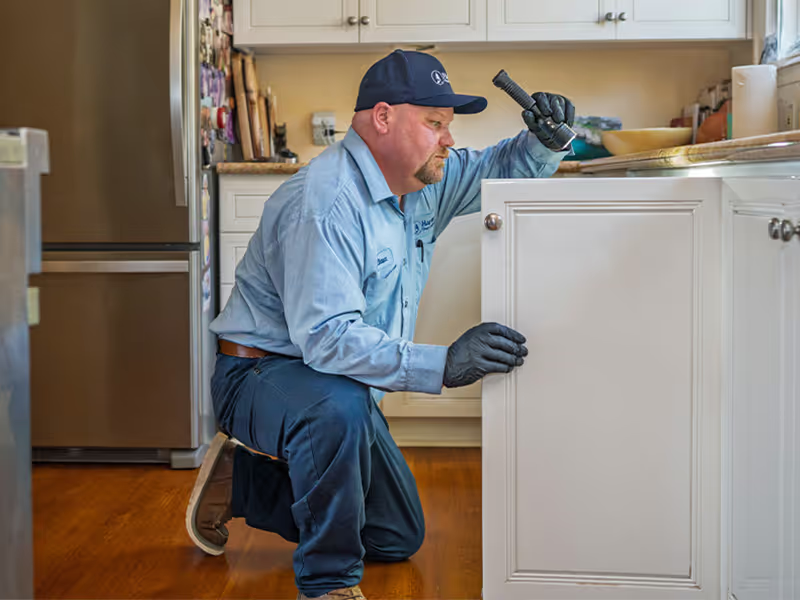
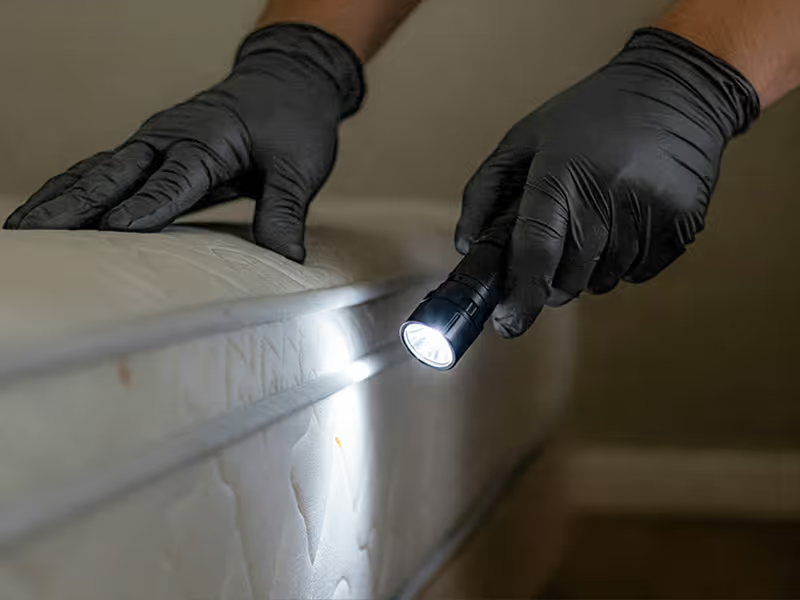
Getting rid of cockroaches for good starts with understanding what's going on in and around your home. At Harbor Pest Control, we begin every job with a free pest inspection to identify the species, locate where they're hiding, and figure out how they're getting inside.
From there, our licensed technicians apply targeted treatments designed to reach the areas cockroaches actually use — behind walls, inside cracks, along baseboards, and around plumbing entry points. The goal isn't just to kill what's visible. It's to disrupt the entire population, including the eggs and nymphs that haven't matured yet.
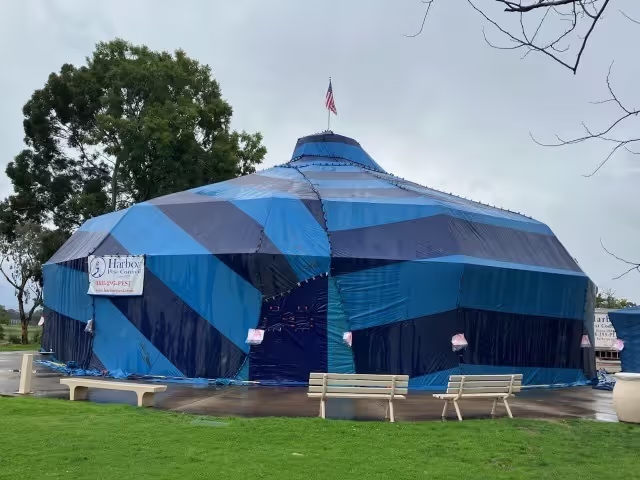
For severe cockroach infestations — especially deep structural infestations that can't be reached with conventional methods — fumigation is an option.
Most cockroach problems, though, are handled through our General Pest Plan, which covers cockroaches along with ants, spiders, earwigs, and other common household pests. This year-round home pest control plan includes regularly scheduled treatments to prevent roaches from re-establishing.
Ongoing Protection That Actually Works
One treatment can knock down a cockroach infestation, but keeping them out requires ongoing attention. Cockroaches are resilient. They reproduce quickly, they're drawn to the same food and water sources in your home, and San Diego's climate never gives them a reason to slow down.
That's why our General Pest Plan is built around regularly scheduled service. We treat the exterior of your home to create a barrier that keeps pests out, and we provide interior services when needed. Between visits, we keep an eye on conditions that could lead to new activity.
Our technicians know San Diego. They know what to look for in different neighborhoods, which species are most common in different parts of the county, and where cockroaches tend to appear based on property type and age. That local experience makes a real difference in keeping your home roach-free.
If cockroaches keep showing up no matter what you try, it's time to talk to someone who deals with this every day. Contact Harbor Pest Control to schedule your free inspection and find out what it takes to get — and stay — ahead of the problem.
FAQs About Cockroaches in San Diego Homes
Can cockroaches come up through my drains?
Yes, especially American cockroaches. They travel through sewer lines and can enter homes through floor drains, sink drains, and toilet connections, particularly in older plumbing systems.
Can cockroaches damage my home?
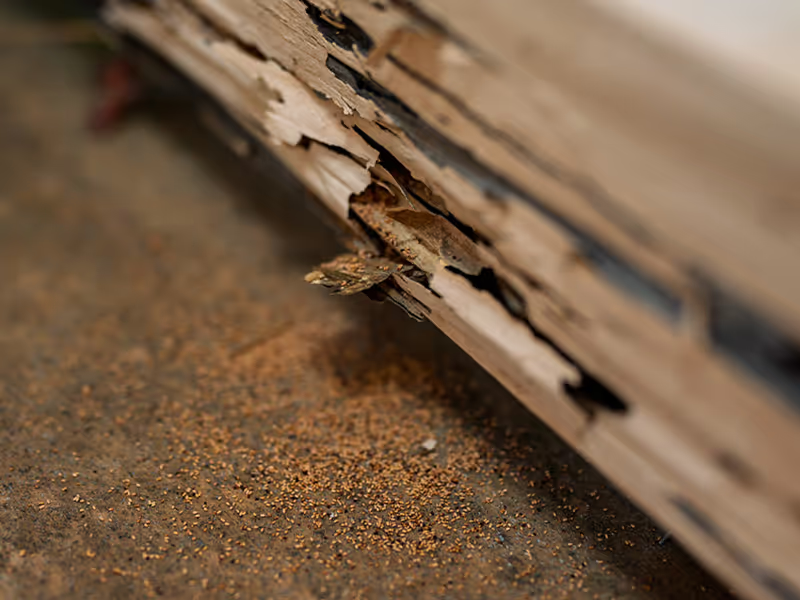
Cockroaches don't cause structural damage like termites do, but they can stain surfaces with droppings, leave an unpleasant odor, and contaminate stored food. Large populations can also trigger allergic reactions in sensitive individuals.
Why do I keep seeing cockroaches in my bathroom?
Bathrooms provide two things cockroaches need to survive: moisture and shelter. Leaky plumbing, condensation around pipes, and humid conditions can attract cockroaches, especially American cockroaches that enter from sewer systems or crawl spaces. Bathrooms also offer plenty of dark hiding spots behind vanities, under sinks, and around plumbing penetrations.
Stop Cockroaches From Taking Over Your San Diego Home
Cockroaches don't go away on their own — and in San Diego, they don't slow down when the weather changes, either. If you're seeing roaches in your home, Harbor Pest Control can help.
Fill out our online form or call us to schedule your free inspection. We'll identify what you're dealing with, locate the source, and put a plan in place to keep your home protected.