
Common Signs of Rats and Mice
Rodent Droppings
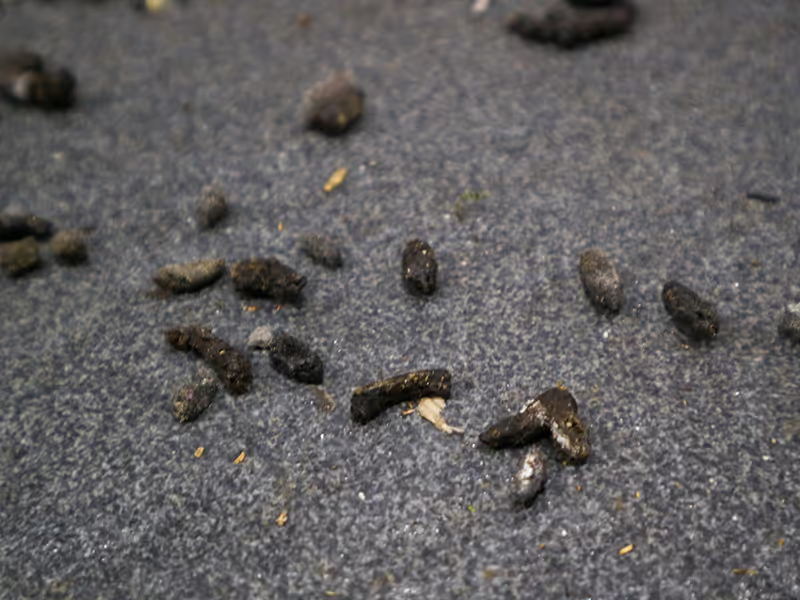
Droppings are among the most recognizable signs of rodent activity. Look for them along walls, inside cabinets and drawers, behind appliances, in garages and attics, near stored food, or around pet food containers. Their location can help show where a rodent has traveled, but it does not necessarily mean the animal is nesting or feeding in that exact spot.
One of the easiest differences to notice is size. Mouse droppings are tiny—closer to a grain of rice—while rat droppings are usually larger and thicker. Roof rat droppings tend to be smaller than Norway rat droppings, but there can be enough overlap to make guessing difficult, especially if the rat is young.
Scratching, Scurrying, or Gnawing Sounds
Rats and mice are generally most active after dark, when a quiet home makes their movement easier to hear. Scratching, scurrying, or gnawing may come from walls, ceilings, floors, cabinets, an attic, or a garage.
The location can offer a clue. Activity in an attic, ceiling void, or near the roofline is commonly associated with roof rats, although mice can also climb and nest above living areas. Sounds behind appliances, inside lower cabinets, or along baseboards may be caused by mice or rats. Heavier thumping may suggest a larger animal, but sound alone cannot reliably identify the pest.
Birds, squirrels, and normal building movement can also create noises in ceilings and walls. Look for droppings, gnaw marks, tracks, or rub marks before assuming the sound is coming from rodents.
Gnaw Marks and Damaged Materials
Both rats and mice gnaw. Indoors, damage may appear on food packages, cardboard boxes, wood, plastic containers, insulation, or electrical wiring. Chewed wiring is especially concerning because exposed electrical components can increase the risk of a short circuit or fire. Outdoors, rodents may damage fruit, vegetables, irrigation components, or stored materials in garages and sheds.
Mouse gnaw marks tend to be narrow and may resemble fine scratches, while adult rat gnaw marks are generally wider and deeper.
Grease Marks and Rub Marks
Rodents often reuse familiar routes. Repeated contact can leave dark or greasy-looking marks along walls, baseboards, beams, rafters, pipes, and openings.
Prominent rub marks are more often associated with rats because of their larger bodies, while mice may leave subtler marks. Either can reveal a route that rodents use regularly.
Shredded Nesting Material
Mice and rats may use paper, cardboard, fabric, insulation, or plant material for nesting. Homeowners may find shredded material behind stored boxes, inside drawers, beneath appliances, in garage cabinets, within attic insulation, or in other quiet areas.
A small nest near food or inside a cabinet can suggest mice, while nesting material in an attic, wall void, or another elevated space may suggest roof rats. Either may also use ground-level storage areas, and an old nest may no longer be active.
Unusual Odors
A musky or ammonia-like odor may indicate rodent urine or nesting activity. A stronger foul or decaying odor may indicate a dead rodent in an inaccessible area.
The smell may be strongest inside cabinets, behind appliances, near an attic access, or along a particular wall.
Where the odor is strongest can help point you toward the affected area.
Footprints and Tail Marks
Rodents sometimes leave tracks in dust, dirt, or other undisturbed surfaces. Mouse prints are small and may look like groups of dots. Rat footprints are larger and more clearly foot-shaped, and adult rats may leave a wavy tail-drag mark between their tracks.
Tracks are especially useful when they appear alongside droppings or lead to an opening, a damaged package, or a nesting area.
Rodent Sightings
Seeing a rodent provides direct evidence, but homeowners often get only a quick glimpse. Note where it was seen, its approximate size, where it went, and whether it was traveling along the ground or above it.
A small rodent disappearing behind an appliance or through a narrow interior opening may be a mouse. Rats moving along fence tops, tree branches, rooflines, or utility lines at dusk or after dark are more consistent with roof rat behavior. Elevated travel is a useful context, but it does not identify the species on its own. A stockier rat traveling near ground-level cover or a burrow may be a Norway rat, although Norway rats are less common in San Diego County.
For detailed physical descriptions, visit Harbor's pest identification guides for mice, roof rats, and Norway rats.
Unusual Pet Attention
A dog or cat repeatedly investigating the same cabinet, wall, appliance, or section of the garage may hear or smell activity that is not obvious to you. A pet bringing home a rodent carcass is direct evidence that rodents are present nearby.
Pet behavior by itself does not confirm an infestation. Treat it as a reason to inspect the area for physical evidence.
Signs of Rodents Around the Yard and Exterior
Rodent activity outside does not automatically mean the animals have entered your home, but it can identify activity close to the structure.
Damaged Fruit, Nuts, and Garden Plants
Gnawed citrus, avocados, nuts, vegetables, or other produce can indicate rats in the yard. Roof rats commonly feed on fruit and nuts. They may hollow out oranges or chew the rind from lemons, sometimes leaving much of the fruit behind. Stripped bark and piles of empty snail shells beneath plants are other signs reported around San Diego properties.
These signs are more suggestive of rats—particularly roof rats—than house mice, but insects, birds, squirrels, and other wildlife can also damage garden plants and fruit.
Burrows Near Foundations or Outdoor Storage
Openings beneath trash cans, compost piles, woodpiles, sheds, or dense vegetation may be rodent burrows. Burrowing activity is more commonly associated with Norway rats, but roof rats occasionally burrow when elevated shelter is unavailable. Other animals can create similar holes, so a burrow should be evaluated alongside tracks, droppings, gnawing, or sightings.
Because roof rats are the most common rats in San Diego County and Norway rats are less common locally, a ground-level opening should not be labeled a Norway rat burrow without additional evidence.
Activity on Fences, Branches, and Utility Lines
Rats traveling along fence tops, tree branches, rooflines, or utility lines at dusk or after dark are typically roof rats. This type of elevated travel is a strong clue pointing toward roof rat activity.
Note the route and whether it leads toward the roof or another part of the structure. The sighting identifies activity near the home, but an inspection is needed to determine whether the animal has entered it.
Evidence Around Garages, Sheds, Pools, and Storage Areas
Additional signs can include droppings inside recycling containers, shredded material in stored boxes, damage beneath a shed or doghouse, nests in woodpiles, or a drowned rodent in a pool or hot tub. Rodents may also nest beneath vehicle hoods and damage wiring, particularly when a vehicle sits unused.
The location and scale of this evidence can help determine whether the activity is limited to the yard or has moved closer to the living space.
Concerned About Rodents? You Don't Have to Wait
You don't need to find droppings in several rooms, hear noises for multiple nights, or identify the animal before reaching out. One possible sign—or simply a concern about what may be getting into your home—is enough reason to contact Harbor Pest Control.
Local and family-owned, Harbor has served homeowners in San Diego, El Cajon, Chula Vista, and other San Diego County communities since 1948. A licensed pest control specialist can inspect your property, answer your questions, and recommend the next step based on what is happening in your home.
If your goal is prevention, you don't have to wait for signs. Harbor's ongoing home pest control plans help protect against common house-infesting pests, and rodent coverage can be added for protection against rats and mice; additional fees may apply.
Whether you have noticed possible rodent activity or want to protect your home before a problem starts, request a free pest inspection or call Harbor Pest Control at (888) 586-4816.