
The First Signs of a Flea Problem
Fleas are tiny — only about 1.5 to 3 millimeters long — so they're easy to miss if you're not looking closely. But they leave plenty of clues behind.
Knowing the early signs of fleas in your home can help you catch an infestation before it spreads.
The most common early sign is a pet that can't stop scratching, especially around the neck, belly, and base of the tail. If you part your pet's fur and see small, dark brown specks, that could be flea dirt — dried blood that fleas leave behind after feeding. A quick way to check: put a few of those specks on a damp paper towel. If they turn reddish-brown, you're dealing with fleas.
Other signs include small red bites on your ankles or lower legs (fleas jump from the floor and tend to bite low), restless pets at night, and tiny dark spots on bedding or upholstered furniture.
Why Flea Infestations Spiral So Fast
Fleas reproduce at an alarming rate. A female flea starts laying eggs within a day or two of finding a host, and she can keep that up for weeks. Those eggs don't stay on your pet — they fall off into your carpet, between couch cushions, in pet bedding, and along baseboards.
Flea eggs hatch quickly. Then the larvae hide deep in carpets, furniture, pet bedding, and cracks along the floor. After that, they form protective cocoons and wait.
Here's what makes fleas so frustrating: those cocoons can stay hidden for weeks or even months before new fleas suddenly emerge. That's why flea problems often seem to disappear and then come right back. It's also one of the biggest reasons store-bought treatments usually don't solve the entire problem.
Many homeowners don't realize how quickly fleas spread through a house until the problem worsens, room by room. What begins as a few bites in one area can turn into fleas showing up in bedrooms, living rooms, pet bedding, and carpeting throughout the home. By that point, vacuuming and over-the-counter sprays usually aren't enough to stop the infestation.
Does San Diego's Climate Make Fleas Worse?
In a word — yes. San Diego's mild, warm weather is a big reason flea problems are so common here. In parts of the country with freezing winters, flea populations take a serious hit during the cold months. That doesn't really happen in San Diego.
In coastal neighborhoods like Coronado and La Jolla, the moderate temperatures and humidity create comfortable conditions for fleas over a longer stretch of the year. Inland areas like El Cajon and Santee see more heat, which can actually drive fleas indoors faster as they search for hosts and shelter.
Wildlife plays a role, too. San Diego's canyon-adjacent neighborhoods are home to raccoons, opossums, feral cats, and squirrels — all of which carry fleas. If any of those animals spend time near your home, they can leave behind flea eggs in your yard or around exterior entry points. Even if your pets stay indoors, fleas can hitch a ride inside on your shoes or clothing.
Can You Have Fleas Without Pets?
Yes — and it's more common than you might think. Fleas need an animal host to feed on, but they can survive in a home for a while waiting inside their cocoons until a suitable host appears. If you've recently moved into a home where the previous owners had pets, dormant flea pupae in the carpet can hatch the moment you start walking around and generating vibrations.
We also see flea problems in San Diego homes where wildlife is getting into crawl spaces or attics. Rodents, in particular, often carry fleas, and once those rodents make their way inside, the fleas spread to the rest of the house.
If you're getting bitten but don't have pets, it's still worth calling Harbor Pest Control for an inspection. We'll figure out where the fleas are coming from and what's bringing them in.
Health Risks You Should Know About
Fleas aren't just annoying — they come with real health risks for both people and pets. Flea bites can trigger allergic reactions, and in pets, repeated exposure to fleas can lead to flea allergy dermatitis, which causes intense itching, hair loss, and skin infections.
Fleas are also known carriers of serious illnesses, including murine typhus and bartonellosis (also known as cat-scratch fever). In severe infestations, heavy flea populations can even cause anemia in small pets.
If anyone in your household — human or animal — is reacting to flea bites, don't wait it out. Get in touch with Harbor Pest Control so we can address the problem before it gets worse.
How Harbor Pest Control Eliminates Fleas
Flea control requires more than just treating your pet. At Harbor Pest Control, we take a thorough approach that targets fleas at every life stage — eggs, larvae, pupae, and adults.
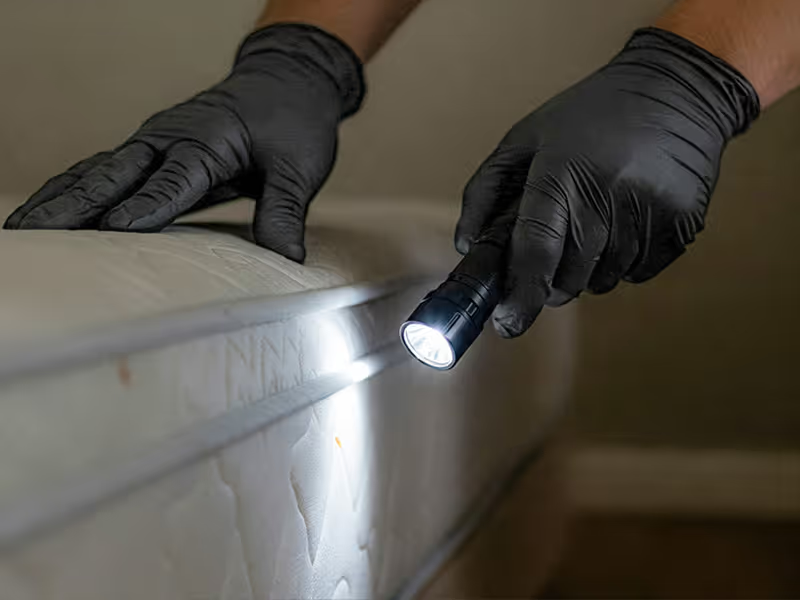
We start with a detailed inspection to confirm flea activity and identify the areas in your home where they're concentrated. From there, our technicians apply targeted treatments to carpets, baseboards, upholstered furniture, and other hard-to-reach areas.
Because flea pupae can remain dormant and hatch after the initial treatment, follow-up visits are an important part of the process. We'll schedule those based on your specific situation and make sure the infestation is fully resolved.
Store-bought flea sprays often kill visible adult fleas while leaving eggs and pupae behind. Professional treatment focuses on the entire infestation — not just the fleas you happen to see.
Flea treatments are included in our General Pest Plan, which also covers ants, cockroaches, spiders, earwigs, and other common San Diego pests. For homes that deal with recurring flea pressure, ongoing protection through a quarterly plan makes all the difference.
FAQs About Fleas in San Diego Homes
Do I still need to treat my pets if my home is professionally treated?
Yes — home treatment and pet treatment work best together. We handle the fleas in your living space, and your veterinarian can recommend the right flea prevention product for your pet. Without both, pets can reintroduce fleas into a treated home.
Why do fleas usually bite ankles and lower legs?
Fleas don't fly — they jump from floors, carpeting, rugs, and pet bedding onto nearby hosts. Since most flea activity occurs near the ground, bites often appear first around the ankles, socks, and lower legs. If multiple people in the home are getting similar bites in those areas, fleas may be the cause.
Are fleas worse during certain times of the year in San Diego?
Unlike in colder parts of the country, San Diego's mild climate allows fleas to remain active year-round. Flea activity often increases during warmer months and after wildlife activity around homes increases, but infestations can happen during virtually any season in Southern California.
Are flea bites dangerous for children?
Flea bites are usually more irritating than dangerous, but children can have stronger reactions to them. Scratching can also lead to secondary skin infections if the bites aren't kept clean. If your child is being bitten regularly, getting the flea problem resolved quickly is the best way to protect them.
Get Rid of Fleas in Your San Diego Home
If fleas have moved into your home, Harbor Pest Control has the experience and the tools to get rid of them. We've been protecting San Diego families since 1948, and flea control is one of the services we handle regularly. Contact us to schedule your free inspection, and we'll get your home back to comfortable.