
San Diego Rodent-Proofing Tip
Use this as your weekend “walk-around” plan. You’ll get the best results by tackling entry points first, then removing what attracts rodents.
- Inspect the roofline and attic edges
Roof rats are excellent climbers and often enter from above. - Seal gaps around pipes and cables
Small openings become a permanent highway into walls and attics. - Secure vents, chimneys, and crawlspace openings
These are common “forgotten” access points. - Trim vegetation away from the roof and walls
Rodents use branches and vines as bridges. - Lock down food sources (indoors and outdoors)
Food access is what keeps rodents coming back. - Reduce water sources
Even small leaks can support rodent activity. - Store items properly in the garage and attic
Clutter creates nesting sites. - Monitor for new activity
Early detection prevents a bigger infestation.
3 Common Places Roof Rats Get In (and How to Block Them)
Roof rats are one of the most common rodents we see locally. They’re agile, cautious, and incredibly good at finding “quiet” paths into a home.
1) Roof-to-Tree “Bridges”
What it looks like: Tree branches touching (or close to) your roofline, eaves, or upper-story windows.
Why it matters: Roof rats don’t need to climb your exterior walls if you’ve built them a shortcut.
What to do:
- Trim branches back so they’re not contacting the roof or overhanging it.
- Reduce dense vines (especially near eaves and second-story ledges).
2) Eaves, Fascia gaps, and Roof Returns
What it looks like: Small separations where the roof meets trim boards—often hard to see from the ground.
Why it matters: These spots lead directly into attics and wall voids.
What to do:
- Do a slow perimeter check using binoculars (or from a ladder if it’s safe).
- Repair damaged fascia/soffit areas and close gaps with durable materials that resist chewing.
For more signs that point specifically to roof rats, visit our roof rats guide.
3) Vents, Crawlspace Openings, and Utility Penetrations
What it looks like:
- Dryer vents
- Attic vents
- Gaps around AC lines or plumbing penetrations
- Crawlspace vents that aren’t properly screened
Why it matters: These are direct “in and out” routes that rodents can reuse daily.
What to do:
- Inspect vent covers for damage and ensure screens are intact.
- Seal gaps around utility lines using rodent-resistant exclusion methods.
NOTE: If you can fit the tip of your finger into a gap, it’s worth inspecting. Rodents can squeeze through surprisingly small openings.
What Attracts Rodents Most (and How to Remove the Temptation)
San Diego’s mild weather means mice and rats stay active year-round—so prevention is about removing the easy wins: food, water, and shelter.
Food Sources to Address First
Instead of guessing, start with the real-world attractants we see most often, including pet food, bird seed, and unsealed pantry items. Our breakdown here is a great resource: The Top 5 Foods That Attract Rodents.
Practical fixes:
- Store pet food and bird seed in hard, sealed containers (not original bags).
- Keep trash lids tight and rinse recycling containers.
- Don’t leave fruit on counters overnight if you suspect activity.
Water Sources That Make Infestations Easier
Even if food is limited, rodents will stick around if water is available.
- Fix dripping hose bibs and irrigation leaks.
- Check under sinks for slow leaks.
- Keep outdoor bowls (pet water) inside overnight if you’re seeing activity.
Shelter and Nesting Spots to Clean Up
- Reduce clutter in garages and storage areas.
- Keep items off the floor when possible.
- Remove dense ground cover close to the foundation.
Warning Signs You May Already Have Rodents
If any of these sound familiar, move from “prevention” to “inspection and control” quickly:
- Scratching sounds in walls or ceilings (often at night)
- Droppings in cabinets, garage corners, or along baseboards
- Gnaw marks on packaging or wiring
- Grease marks or rub marks along edges where rodents travel
- Pet agitation focused on a wall/ceiling area
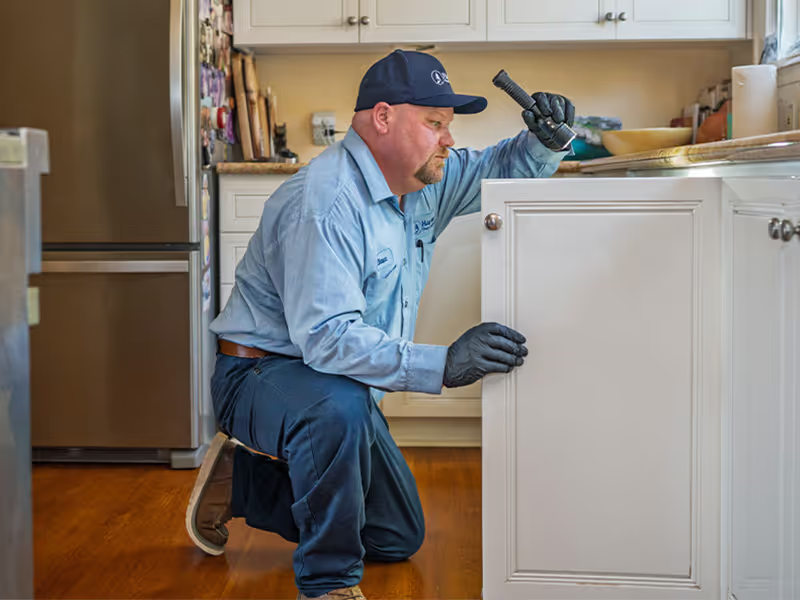
If you’re seeing multiple signs, it’s time to schedule a professional inspection.
When to Call for Rodent Control (and What to Expect)
DIY exclusion can help, but it’s easy to miss a single access point—especially with roof rats, which often enter from high, hidden areas.
A professional inspection typically focuses on:
- Identifying the rodent type and travel paths
- Locating entry points (including high and hidden areas)
- Recommending a targeted plan: exclusion + trapping/monitoring + prevention
If you’d like us to take a thorough look and build a plan tailored to your property, reach out here: contact Harbor Pest Control. Locally owned and operated since 1948, Harbor Pest Control offers comprehensive pest control services that target mice and rats (as well as other house-infesting pests) in San Diego and neighborhoods south of Highway 56, including Coronado, Chula Vista, and Jamul.
A Quick Weekend Plan for San Diego Homeowners
If you only have a couple hours, this order gives the best payoff:
- Inspect the roofline and trim vegetation back from the roof
- Check vents and utility penetrations for gaps
- Lock down the top two food attractants in your home (often pet food and trash)
- Clean up cluttered storage and reduce nesting spots
For additional rodent identification, don’t miss our pest guides for mice and Norway rats.
Need Help Now?
Harbor Pest Control has helped protect San Diego homes and businesses for decades with straightforward, effective solutions and a customer-first approach. If you’re ready for an inspection, contact our team.
FAQ: Rodent-Proofing Your San Diego Home
How can I tell if I have roof rats or mice in my home?
Look for droppings along baseboards, gnaw marks on wires or food packaging, greasy rub marks along walls, and scratching or scampering sounds—often at night. Roof rats prefer attics and high areas, while house mice often stay closer to kitchens and storage spaces.
Do rodents spread disease in homes?
Rodents can contaminate food and surfaces with urine and droppings, which may carry bacteria and pathogens. While serious illnesses are rare, preventing rodent access is important for health and safety.
Can my pets help alert me to rodents?
Yes. Cats and dogs often react to rodent activity—scratching at walls, sudden agitation, or interest in certain corners can be an early sign of infestation.
If I see just one or two mice, is that a big deal?
Yes. Seeing even one or two mice usually means there are more hiding nearby. Mice are social and breed quickly, so what starts as a “few” can turn into a full-blown infestation fast.