At a Glance: Termite Activity in San Diego
This guide breaks down seasonal termite activity in a practical, San Diego-specific way so you can understand:
- When termite activity is most noticeable
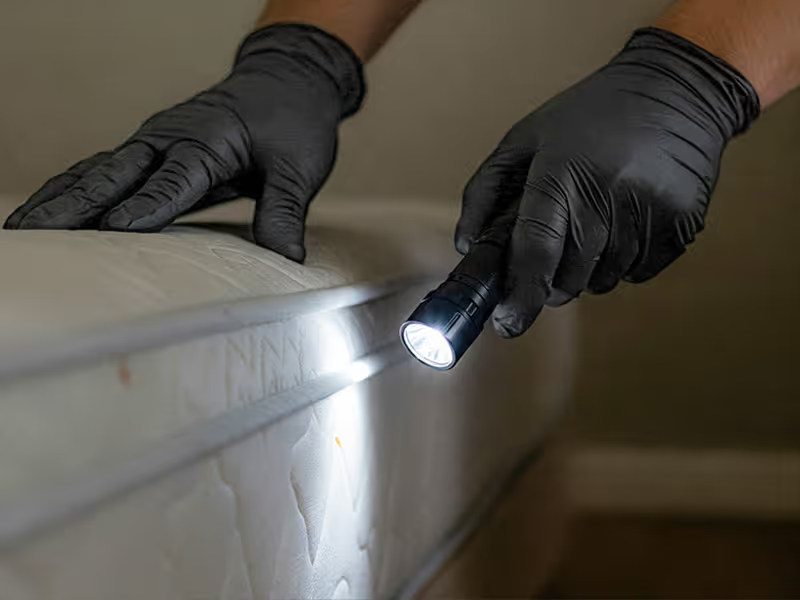
- When inspections make the most sense
- And why many homeowners choose long-term protection instead of trying to time “termite season”
If you’d rather skip straight to help, explore Harbor Pest Control’s termite control services.
Why “Termite Season” Feels Real in San Diego (Even Though Termites Don’t Disappear)
Termites are experts at staying hidden. Most homeowners don’t realize they have an issue until they see:
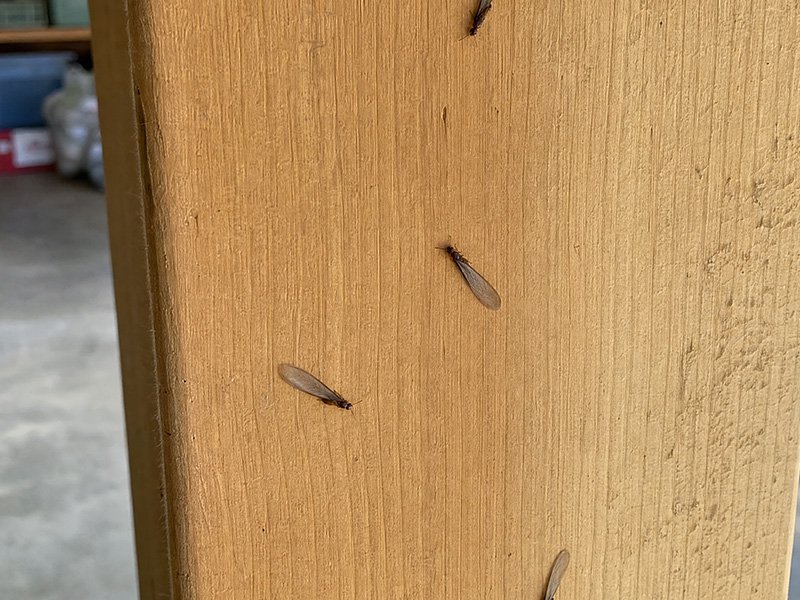
- Swarmers (winged termites) indoors or around doors/windows
- Discarded wings
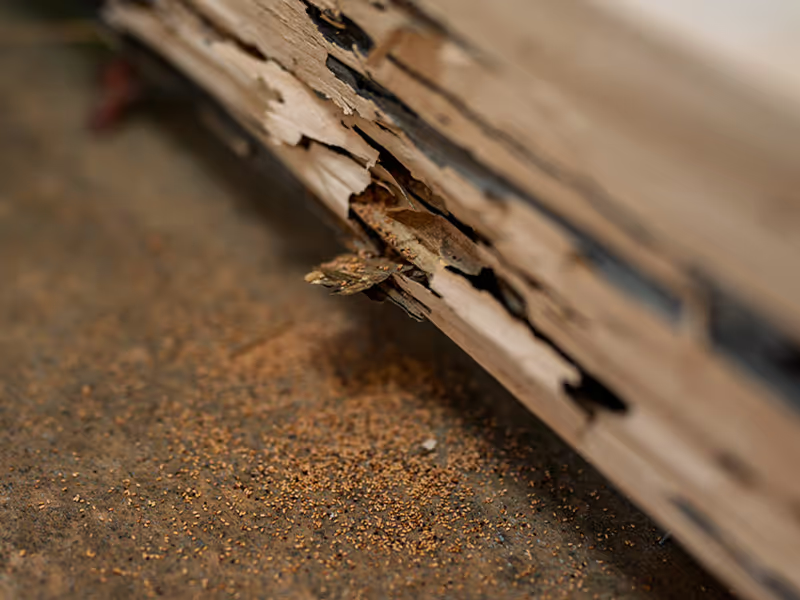
- Frass (pellet-like droppings from drywood termites)
- Mud tubes (from subterranean termites)
- Wood that sounds hollow or looks blistered
The U.S. Environmental Protection Agency notes that many homeowners don’t know termites are present until a swarm appears or damage is discovered during repairs or remodeling. That’s why understanding when termites are most noticeable—and how to protect your home proactively—matters so much.
The Two Termite Types That Drive “Seasonality” in San Diego
In San Diego County, most termite activity falls into two categories: drywood termites and subterranean termites. Each behaves differently and shows up at different times of year.
Drywood Termites
Drywood termites live entirely inside the wood they infest. Common locations include:
- Fascia boards and roofline wood
- Attics and eaves
- Window and door frames
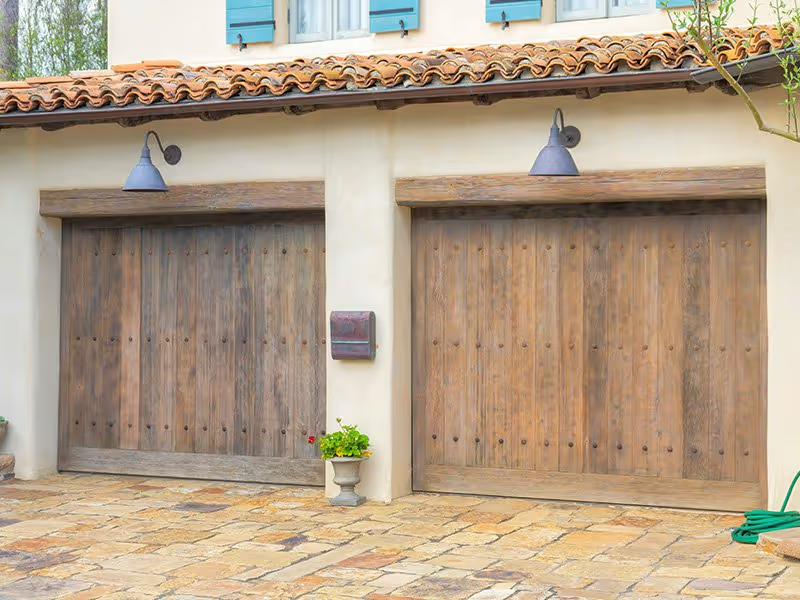
- Fences, pergolas, and exposed outdoor wood
Because they don’t need contact with soil, drywood termites can infest many parts of a structure.
According to UC IPM, homeowners most often notice drywood termites when swarmers appear during daytime hours in summer and fall. That doesn’t mean drywood termites only exist during those months—it simply means they’re easier to spot then.
If you’re unsure what you’re seeing, our guide to drywood termites can help you identify the signs.
Subterranean Termites
Subterranean termites nest in soil and reach wood through mud tubes or hidden entry points.
UC IPM explains that warm, sunny days following rain create ideal conditions for subterranean termite swarming. In San Diego, this often means visible activity during the cooler months and into spring—especially after periods of rainfall followed by warming temperatures.
Because these termites operate below ground and behind walls, damage can occur long before homeowners notice obvious signs.
If you want to understand how they differ from drywood termites, our subterranean termite guide explains what makes them unique.
A Practical “Seasonal Calendar” for San Diego Homeowners
Instead of thinking in strict seasons, it helps to think in activity windows—times when termites are more likely to become noticeable, or conditions support colony expansion.
Late Fall Through Early Spring
Moisture + Warm Breaks Favor Subterranean Termites
Rain increases soil moisture, and when it’s followed by warm, sunny days, subterranean termite activity can increase.
This window is especially important for:
- Homes with crawl spaces or slab cracks
- Properties with drainage or moisture issues
- Homes with a history of subterranean termite activity
This is often when homeowners decide whether to schedule an inspection or take steps toward long-term preventative protection.
Spring Into Summer
Swarming Activity and Faster Colony Expansion
As temperatures rise, termite colonies can feed and expand more quickly. Spring weather patterns can still create ideal swarming conditions for subterranean termites in San Diego.
Warm, sunny days following rain often trigger subterranean termite swarming behavior. In San Diego, this means activity may become more noticeable from late winter into spring—especially after periods of rainfall followed by warming temperatures.
This window commonly affects:
- Home buyers and sellers
- Homes with wood-to-soil contact
- Properties with landscaping that traps moisture near foundations
For subterranean termites, this is often when homeowners choose to move beyond inspections and put in place long-term protection. Professional soil treatments like Termidor® HP create a continuous protective zone around the home, helping prevent colonies from establishing even when termites aren’t visible.
Late Summer Through Fall
Peak Visibility for Drywood Termites
Drywood termite swarmers are most commonly noticed during summer and fall. This is often when homeowners first discover frass or indoor swarmers.
This window matters most for:
- Homes with exposed or weathered wood
- Older fascia, eaves, and trim
- Fences, pergolas, and detached structures
Because drywood termites live entirely inside wood, visible signs often indicate the infestation has been present for some time. In some cases, especially when drywood infestation is widespread or difficult to access, fumigation may be recommended to treat the entire structure at once.
Fumigation is a treatment used specifically for drywood termites, not subterranean termites. If you’re trying to understand when fumigation is appropriate and when localized treatments may be effective, our article, What Is Termite Fumigation & How Does It Work?, may be helpful.
Coastal vs. Inland San Diego: Why Location Matters
San Diego’s microclimates affect termite pressure:
- Coastal areas tend to have higher humidity and mild temperatures, supporting year-round activity
- Inland areas experience hotter, drier swings, which can shift when activity becomes noticeable—often after rain or irrigation changes
Regardless of location, termite risk doesn’t disappear—it simply changes how and when it shows up.
When to Schedule a Termite Inspection
There’s no one inspection schedule that fits every home, but these guidelines work well for most San Diego homeowners:
- Every few years, for homes without known risk factors
- More frequently for homes with prior termite activity, moisture issues, or structural vulnerabilities
- Before purchasing a home, ideally, before repairs or renovations that could hide evidence
- After major weather shifts, especially rain followed by warm days, if your home has a history of subterranean termites
To ask questions about inspection timing for your specific property, contact Harbor Pest Control.
Why Many Homeowners Choose Proactive Termite Protection Instead
Seasonal patterns help explain when termite activity becomes visible, but they don’t prevent damage from occurring behind the scenes.
In San Diego, homeowners typically face two different termite risks, each requiring a different proactive approach.
For subterranean termites, long-term preventative treatments are often the most effective way to protect a home in a year-round termite environment. Professional applications of Termidor® HP create a continuous protective zone in the soil around the structure, helping prevent subterranean colonies from establishing in the first place.
For drywood termites, preventative protection focuses on the wood itself. Borate wood treatments are applied directly to exposed or vulnerable wood, helping deter drywood termites and reduce the risk of future infestations over time.
By addressing both risks separately—rather than reacting to seasonal visibility—homeowners can protect their homes without relying on inspection timing or guessing when termite activity might appear.
Simple Steps That Support Professional Termite Protection
Good home maintenance can reduce conditions that attract termites, but it doesn’t eliminate the risk entirely, especially in San Diego’s year-round termite environment.
Alongside professional treatments, we highly recommend practicing good home maintenance, such as:
- Managing moisture: Fix plumbing leaks, keep gutters clear, and prevent water from pooling near the foundation. Excess moisture increases subterranean termite pressure.
- Reducing wood-to-soil contact: Keep wood siding, trim, mulch, and stored materials from touching soil where possible.
- Keeping crawl spaces and vents clear: Proper airflow helps reduce moisture levels that termites prefer.
- Storing firewood away from the home: Firewood stacked against the house can attract termites and other wood-destroying pests.
These steps help lower risk, but they don’t replace professional termite protection. A targeted treatment plan addresses the conditions termites exploit—whether they’re in the soil or inside the wood.
In San Diego, Long-Term Protection Matters More Than Timing
San Diego doesn’t have a single termite season. Termites remain active year-round, and seasonal changes mainly affect when activity becomes visible—not when damage begins.
Understanding seasonal trends helps explain risk, but proactive protection is what prevents it from turning into costly repairs.
Harbor Pest Control has protected homes in San Diego and surrounding areas, including Coronado, La Jolla, and La Mesa, for decades using targeted termite solutions—not one-size-fits-all treatments. To learn which solution is right for your home, visit our termite control page or schedule an inspection.